
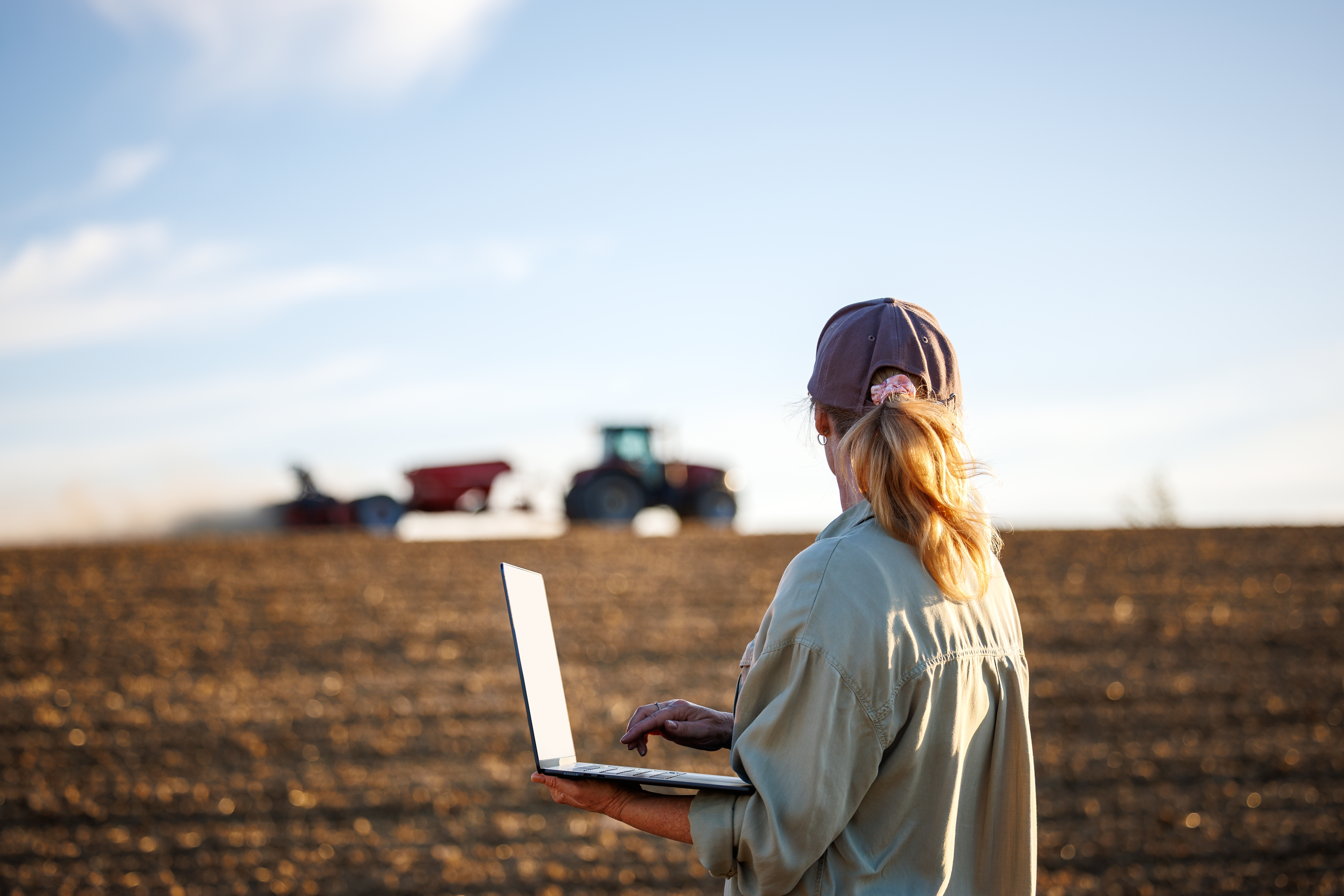
UKCEH is a world-leading independent research institute delivering environmental science across land, water, and air. With over 600 scientists, we have worked with the farm industry for 30+ years to turn data and evidence into practical insight for regenerative and resilient agricultural systems.
Come meet the team to learn about how we co-design and test sustainable, climate-neutral farming systems that balance food production with biodiversity and environmental protection. We can provide free digital planning tools, supply independent environmental data, and collaborate directly on commercial farms.
Find out more about Groundswell here.
Free tools and apps to support your farm
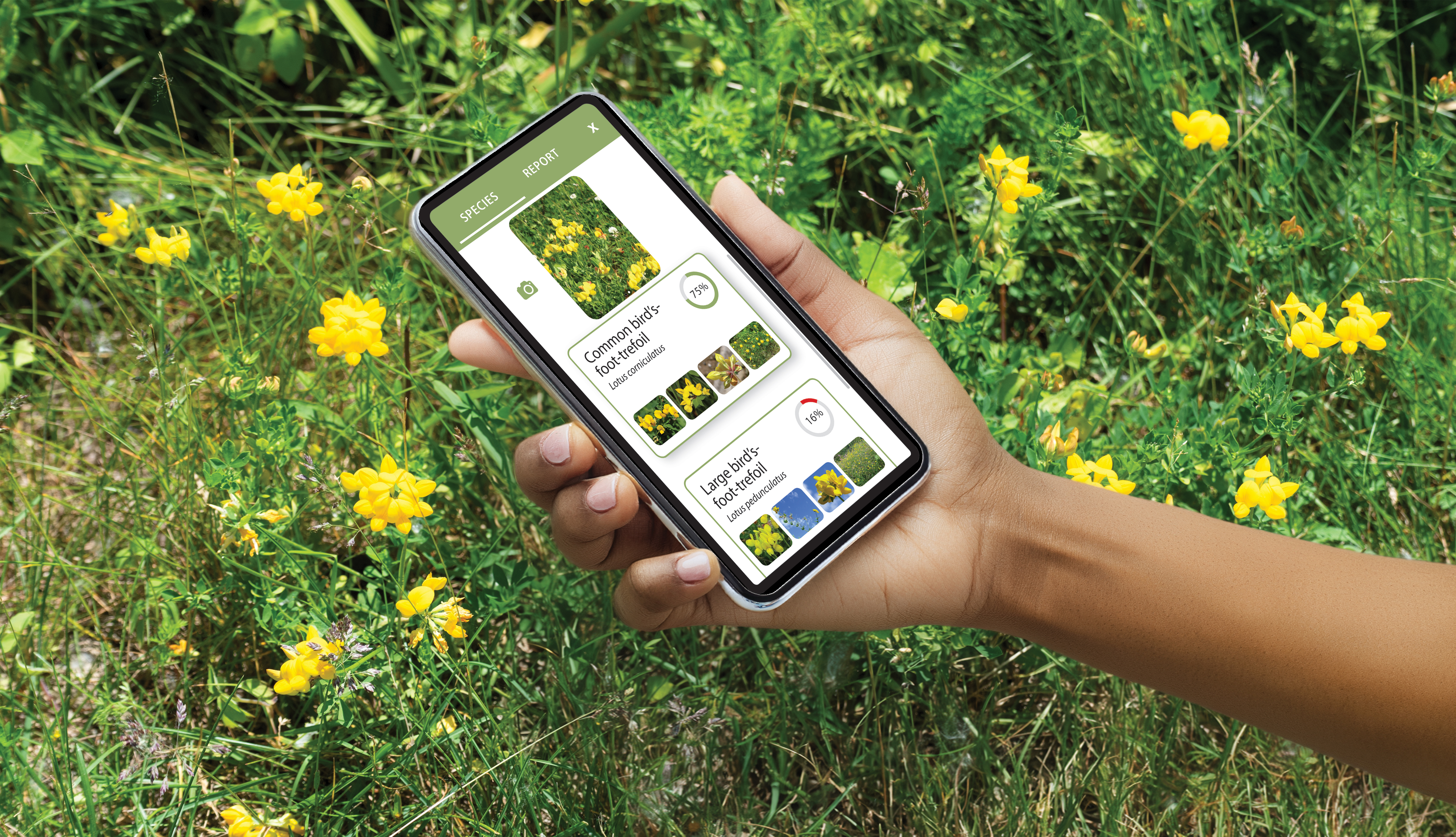
e‑Surveyor app – For farmers and landowners to assess the quality of habitats they manage. Easy to use, and with inbuilt AI, you can download the app directly from Google Play or the App Store.
Soil Wetness Explorer web tool – Showing high-res daily estimates of soil moisture – useful to inform agricultural management such as tillage and seed drilling timings, and when crops require additional irrigation.
Soil Fundamentals web tool – helps all farmers and landowners monitor and improve the health of their soil.
AI4SoilHealth platform - an AI-enabled tool designed to support better land management, soil monitoring and evidence-based decision-making across Europe.
Data to guide better decisions
UK Water Resources Portal and UK Hydrological Outlook – Web tools to track water availability and plan for floods or drought.
Cosmic-ray soil sensors (COSMOS-UK) - Providing accurate, real-time soil moisture data to support irrigation, cropping, and land management.
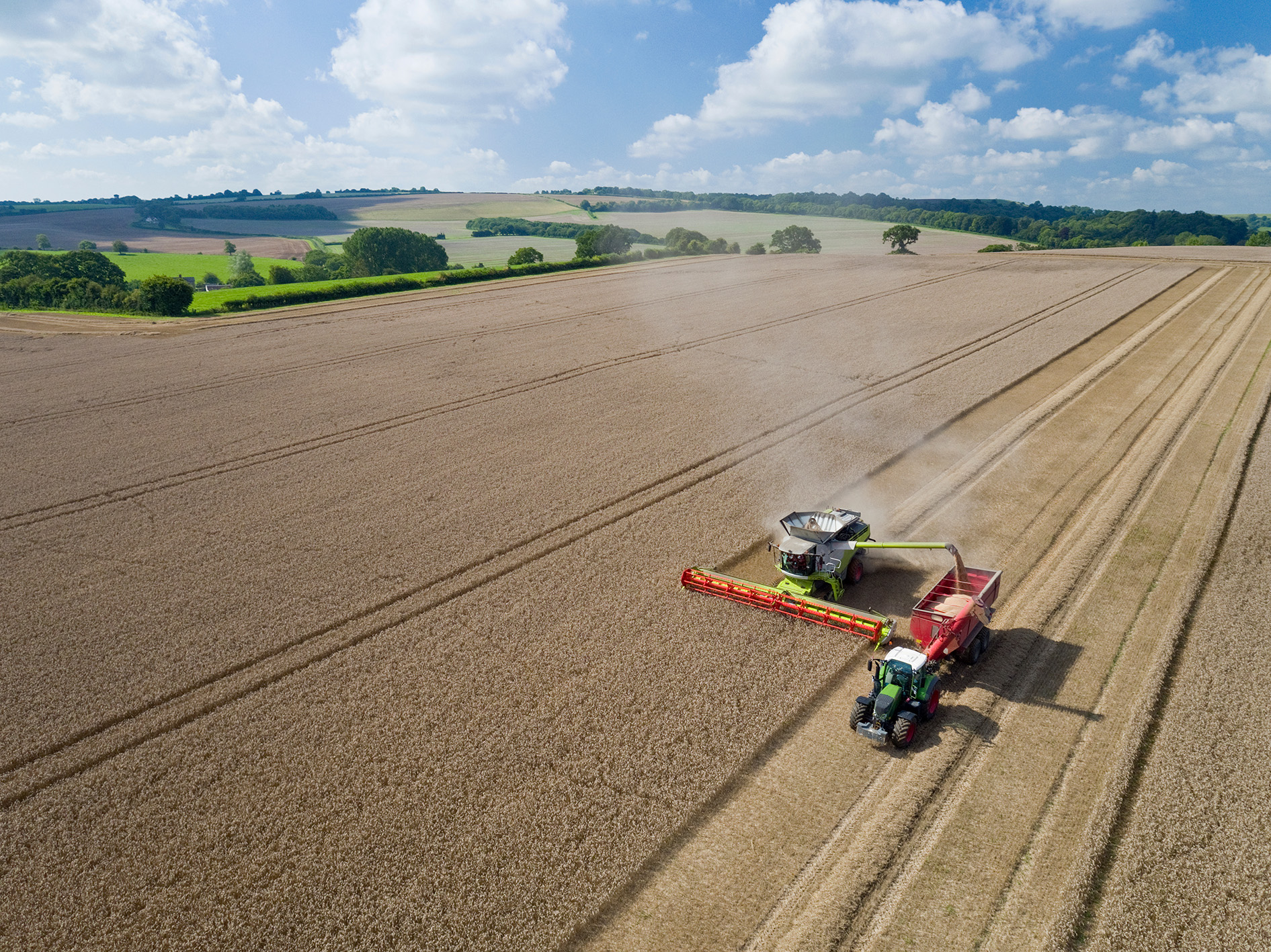
Supporting net zero and resilient farming
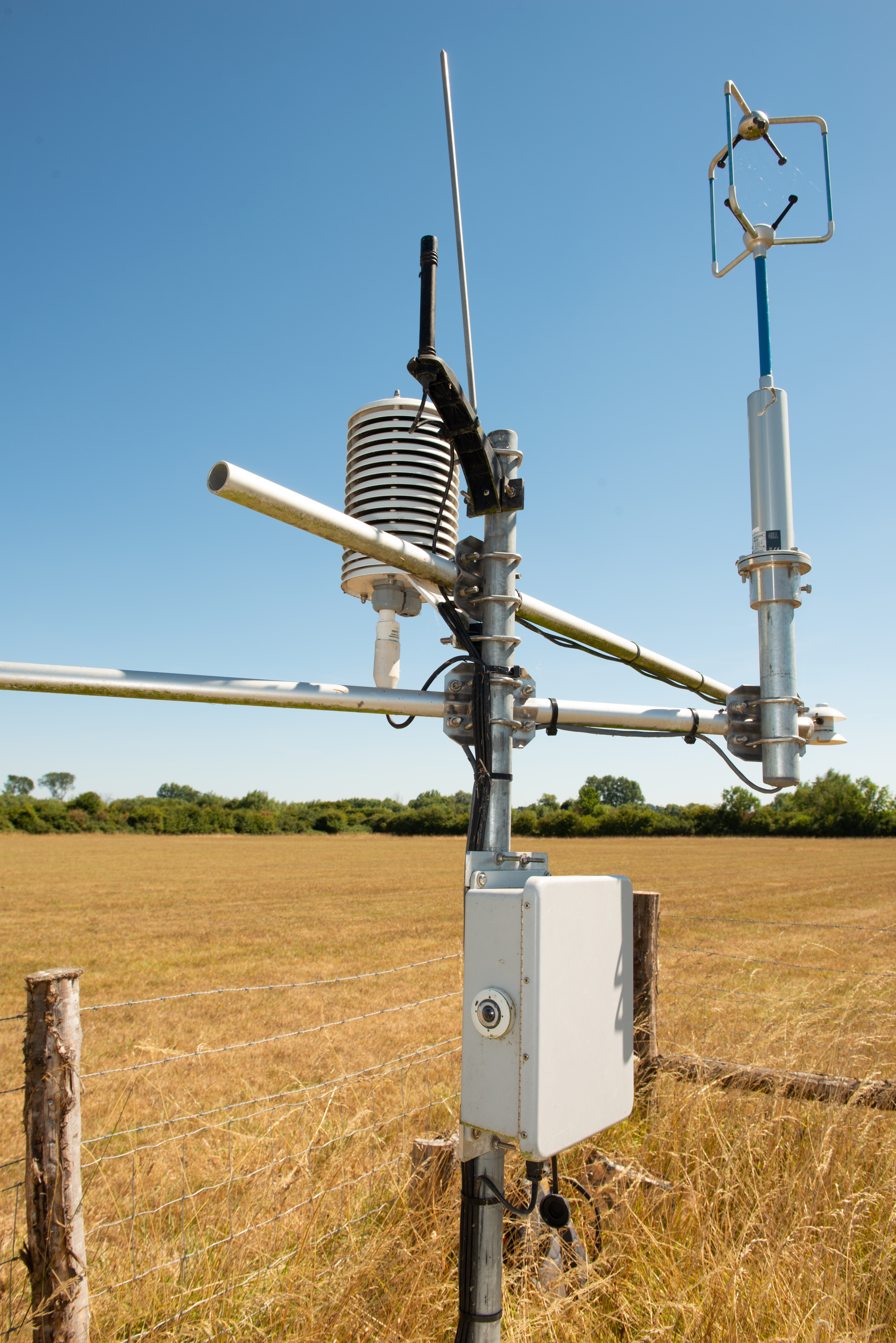
Find out more about our Flux Tower Network.
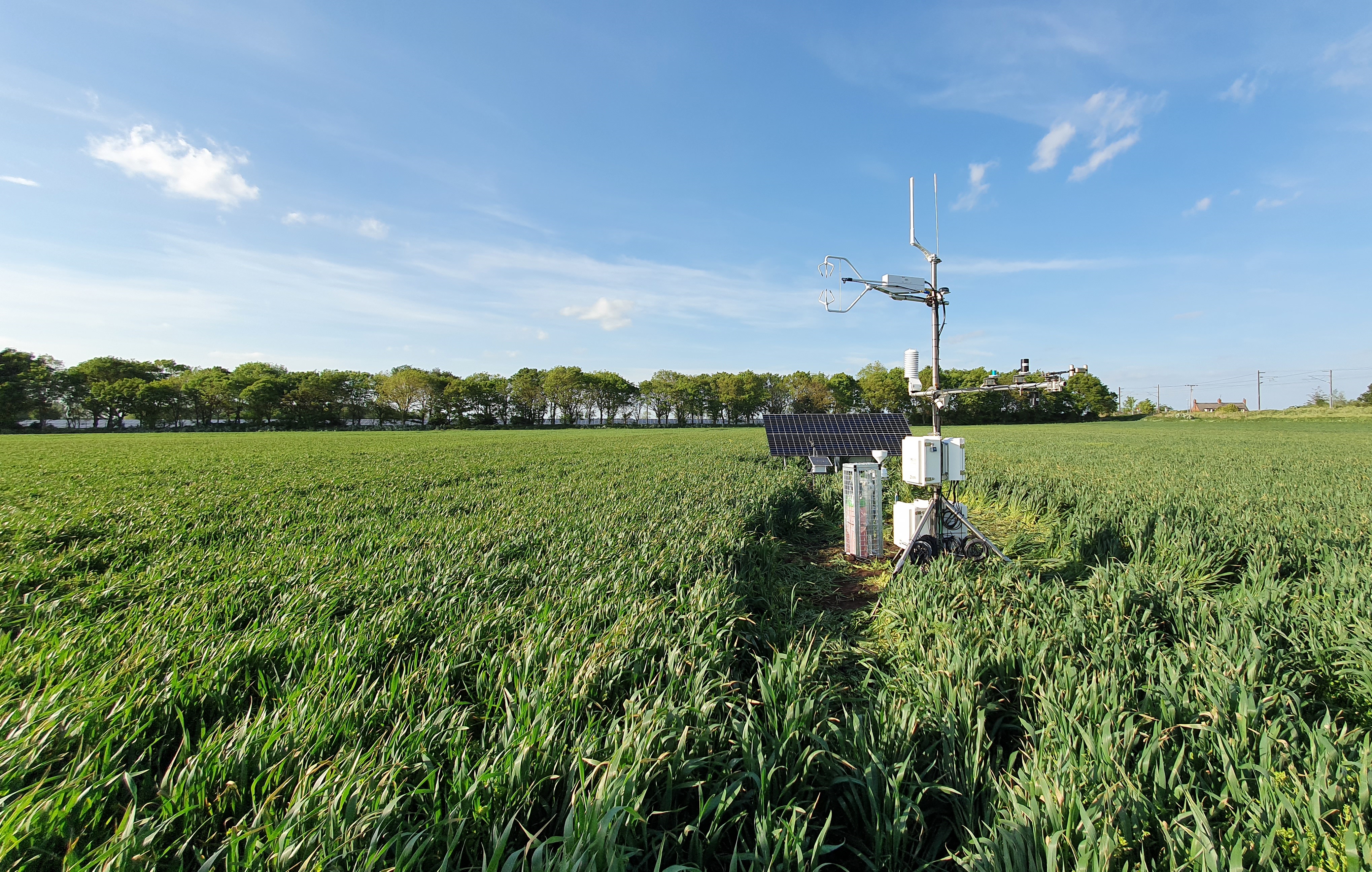
Monitoring nature on your farm
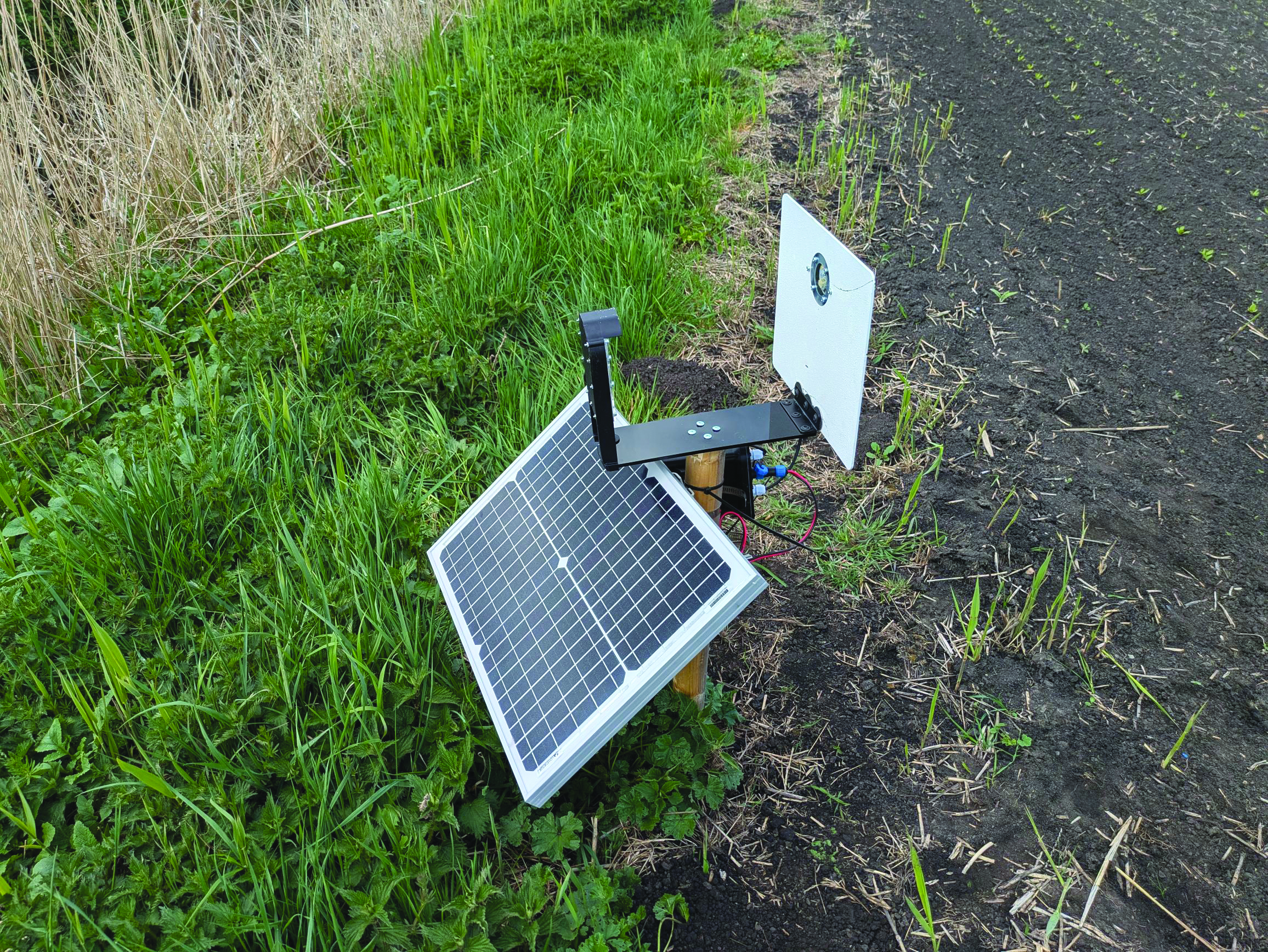
Tracking nature to support farming
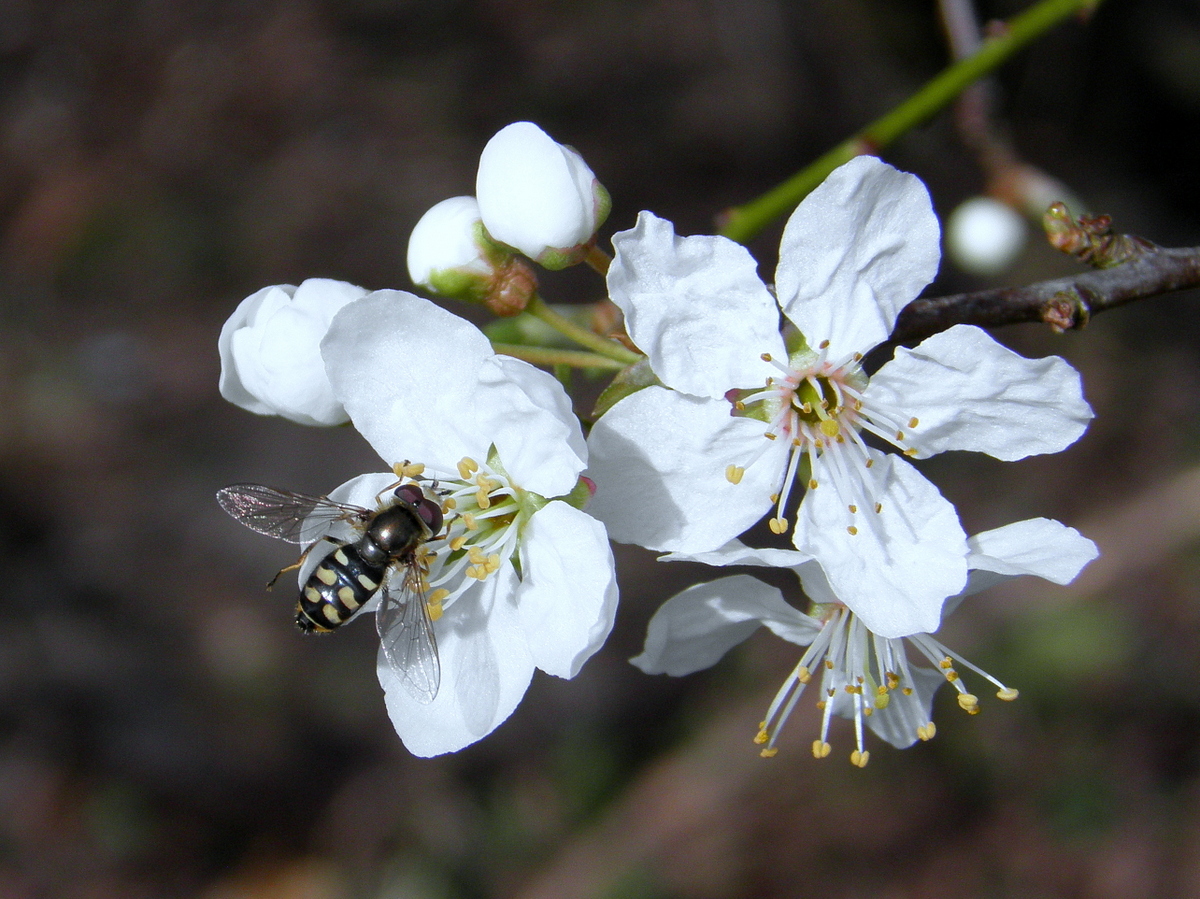
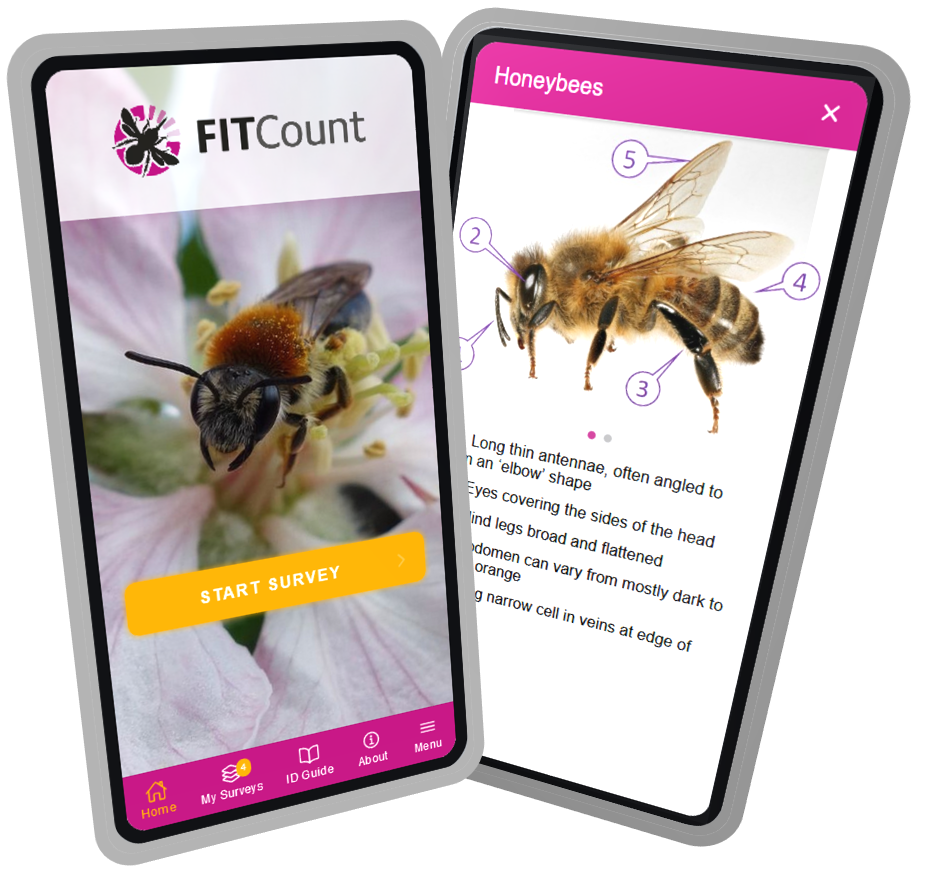
PoMS runs two large-scale pollinator surveys:
- Flower-Insect Timed Counts (FIT Counts) - simple 10‑minute flower observations to count visiting insects.
- Adopt a One km Survey – detailed seasonal monitoring at selected UK sites.
The Countryside Survey
Helping the UK better prepare for floods and droughts
FDRI will improve our understanding of floods and droughts locally as well as across the UK, supporting practical solutions from improved early warning systems to nature-based flood management.
Watch the video below to learn more.
Your views on biocontrol agents matter

Rachael Armitage
Rachael Armitage is a hydrologist in the Water Resources & Drought group at UKCEH. Her research focuses on understanding hydrological transitions - sudden changes between wet and dry conditions - and drought impacts. Rachael is also involved in the National Hydrological Monitoring Programme, supporting operational monitoring and reporting on hydrological conditions and extreme events.
Dr. Tom August
Tom’s research focuses on the application of new methods and technologies to biodiversity monitoring. His interests span the fields of ecology, computer science, engineering, and citizen science.

Lucy Barker
Lucy is a senior hydrological analyst and is specialised in drought research in the UK and around the world. She works to advance hydrological drought characterisation and improve implementation of drought indicators for monitoring and early warning applications.
Margaret Bolton
Margaret is a spatial ecologist and data scientist working on the Farm Health Check. She likes to ask questions at the landscape scale, to bring about positive environmental change and is currently addressing invasive species and their impacts on ecosystems.
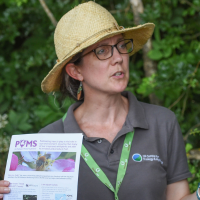
Claire Carvell
Claire is an internationally recognised pollinator ecologist who combines fieldwork, experiments, genetic techniques, long‑term data and modelling to improve environmental policy and practice, working with a range of partners. She leads the UK Pollinator Monitoring Scheme (PoMS) and is programme manager for AgZero+.
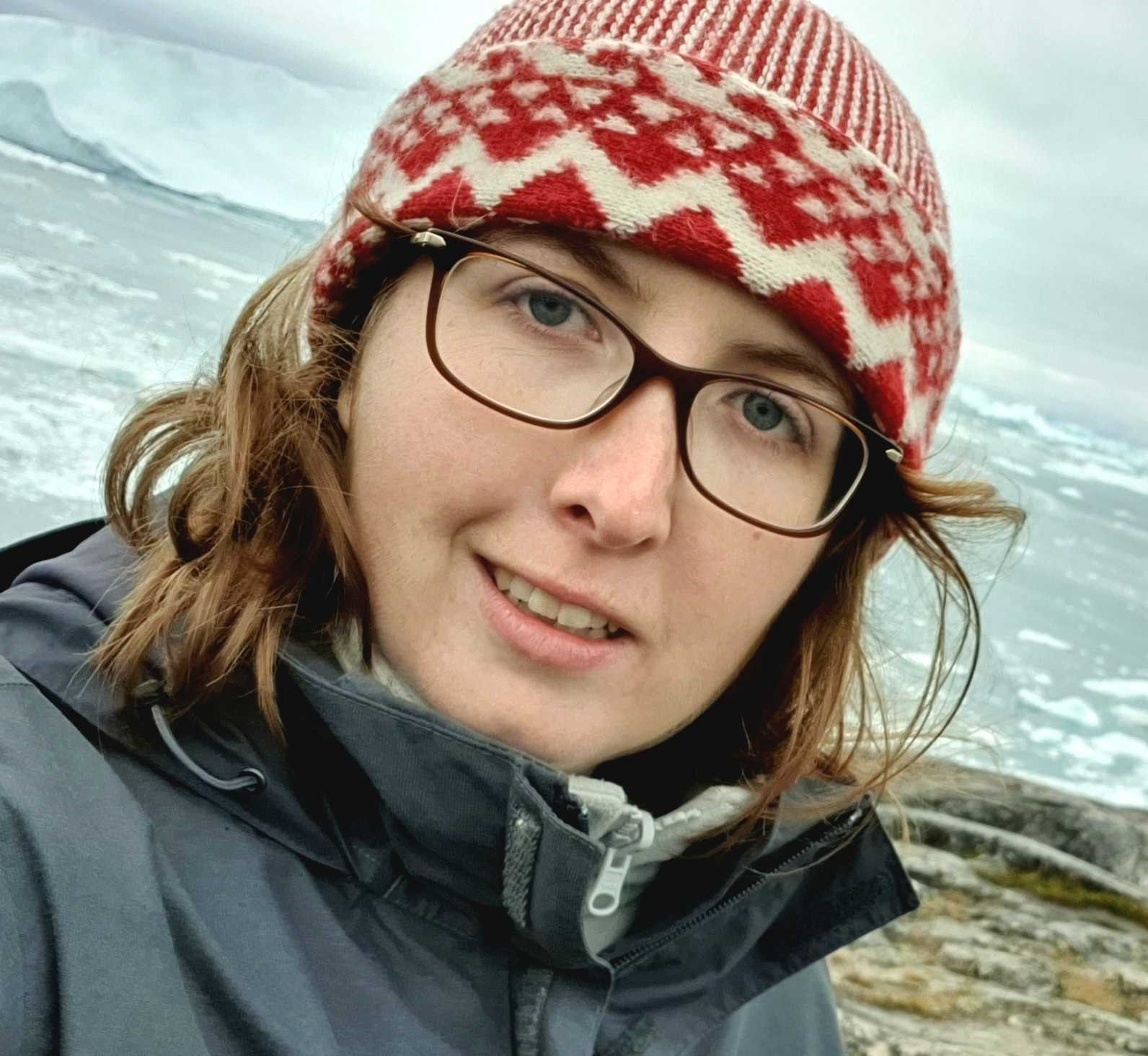
Jade Hatton
Jade is a landscape biogeochemist within the Land, Soil & Coast team. She is interested in understanding the interplay between soils, waters, and the atmosphere. She focuses on investigating geochemical weathering processes and tracing the impact of climatic and land use changes on biogeochemical cycles.
.png)
Ross Morrison
Ross is an environmental research scientist focused on observations of the two-way exchange of mass and energy between ecosystems and the atmosphere. His career goal is to provide the solutions, data and evidence required to address real-world socio-environmental challenges, particularly around the transition to the net zero economy.
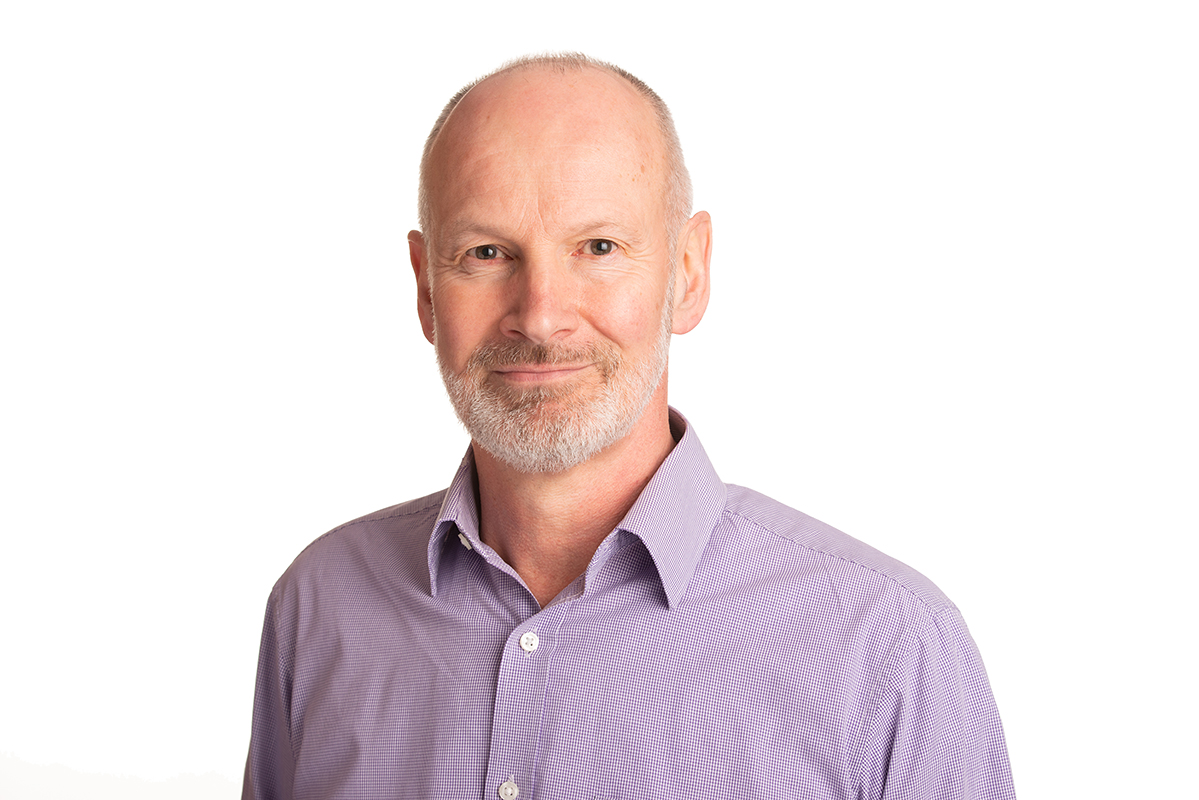
Richard Pywell
Richard is a principal ecologist at UKCEH specialising in research and monitoring of agricultural ecosystems. He co-leads AgZero+, a major multi-institute research programme working with commercial farmers and the agri-food sector to develop resilient and sustainable farming systems that support nature recovery. He recently led a team that horizon-scanned the suitability of new crops to the UK based on projected climate change., culminating in the first successful cultivation of outdoor rice on re-wetted peat soils in the Fens.
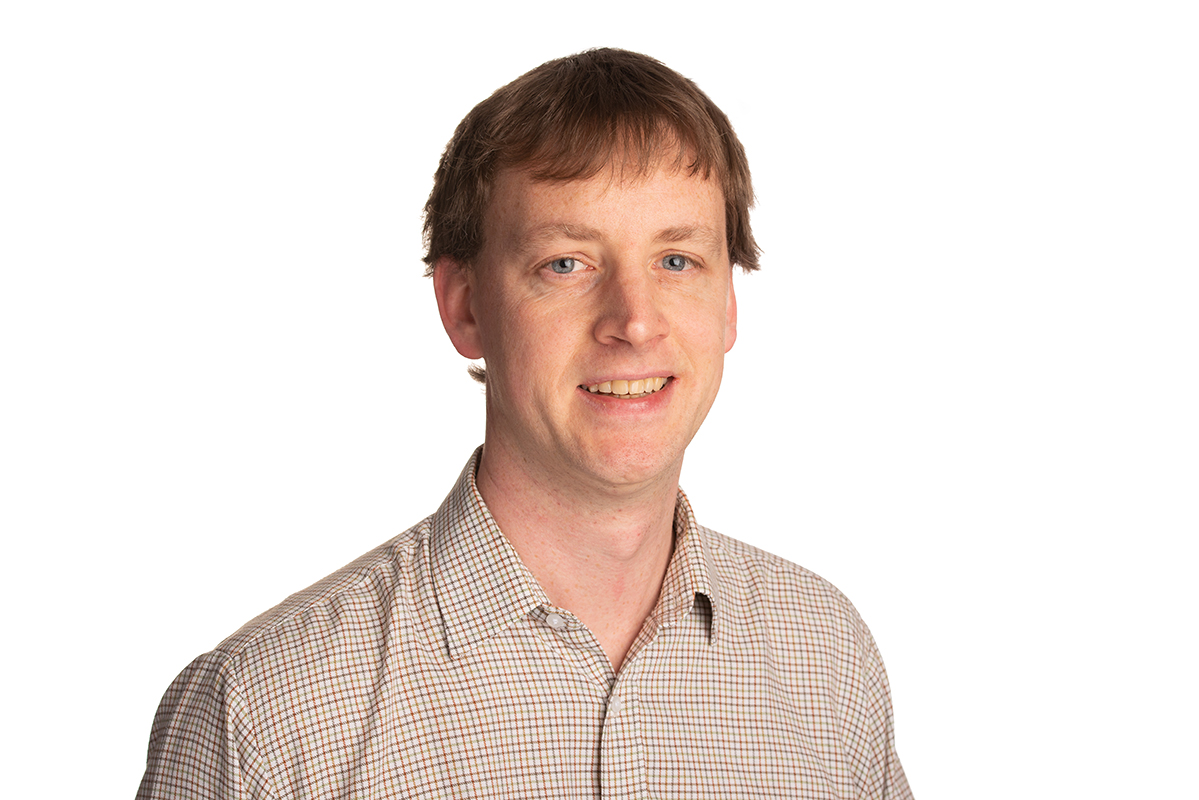
John Redhead
John is a spatial ecologist who has worked as a research scientist for the past 15 years , specialising in using mapped data and computer models. His research focuses on understanding the challenges of making agriculture more sustainable in a changing world, and on identifying solutions that can help us to protect both the environment and the benefits that humans derive from it.
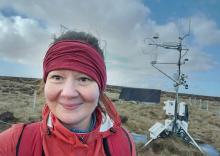
Terhi Riutta
Terhi is the Flux Network Manager of the UKCEH network of eddy covariance sites, which quantify water fluxes and greenhouse gas net balances in various ecosystem types, ranging from pristine peatlands and saltmarshes to croplands and bioenergy plantations.

Ben Woodcock
Ben is head of Community and Restoration Ecology group at UKCEH. His research focuses on developing approaches to manage agricultural systems in manner that reduces their impact on biodiversity as well as enhancing the longer-term resilience of these systems though the promotion of natural but critical ecosystem services, like pollination and natural pest control.
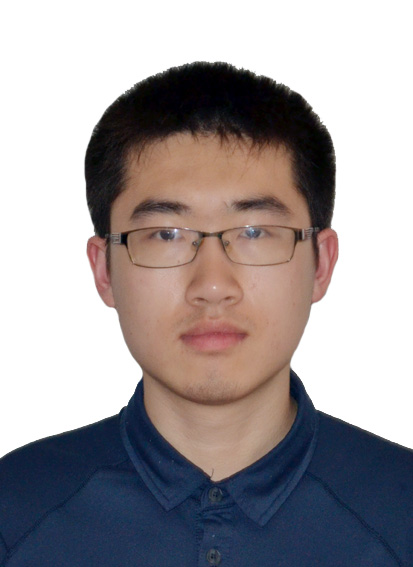
Leqi (Erik) Zhang
Erik is doing a joint PhD with UKCEH and the University of Liverpool, funded by NERC. His work looks at how well natural controls, like fungi that infect aphids and helpful soil bacteria, can reduce aphid pests and boost crop health in a changing climate. He is also exploring how farmers view these methods and what affects their use on farms.
Hear us speak at Groundswell
1 July, 11:00am – 11:55am | Safari Tent (Meeting Point A)
First Milk: Nature beyond the margins: Regenerative farming challenges the idea that food production and nature recovery are mutually exclusive. Join UKCEH’s Richard Pywell and Lee Truelove (First Milk) as they discuss how biodiversity can be measured in working dairy landscapes, what this reveals about ecological resilience, and how productive farming and thriving nature can support each other.
1 July, 4:45PM – 5:30pm | First Milk tent (stand G19)
How are supply chains evolving to meet and maintain regen principles: Whilst recognising the role that local supply chains have in providing diversity to our food system, we cannot overlook the fact that many farm businesses operate in a global trading environment. Hear from UKCEH’s Richard Pywell as part of a panel exploring the evolution of global supply chains towards regenerative agriculture and how regenerative practices can be incentivised through trade.
1 July, 5:30pm - 6:25pm | Grass tent
2 July, 9:00am - 9:55am | Agroforestry Tent (Stand B20)
Boots on the ground or automated systems? Monitoring the effects of farm management or conservation actions is a critical part of ensuring their success. With a growing range of options for collecting data, join UKCEH ecologist Tom August and panel as they explore the opportunities for automated systems in the field.
2 July, 4:00pm - 4:55pm | Wildlife Trusts (Stand F1)
About UKCEH
UKCEH is a leading independent research institute with over 600 scientists studying how the natural world works. We work across land, water and air, because the environment is connected and we study it that way.
We aim to understand environmental systems and use that knowledge to build resilience for people and the planet.
Visit our main website